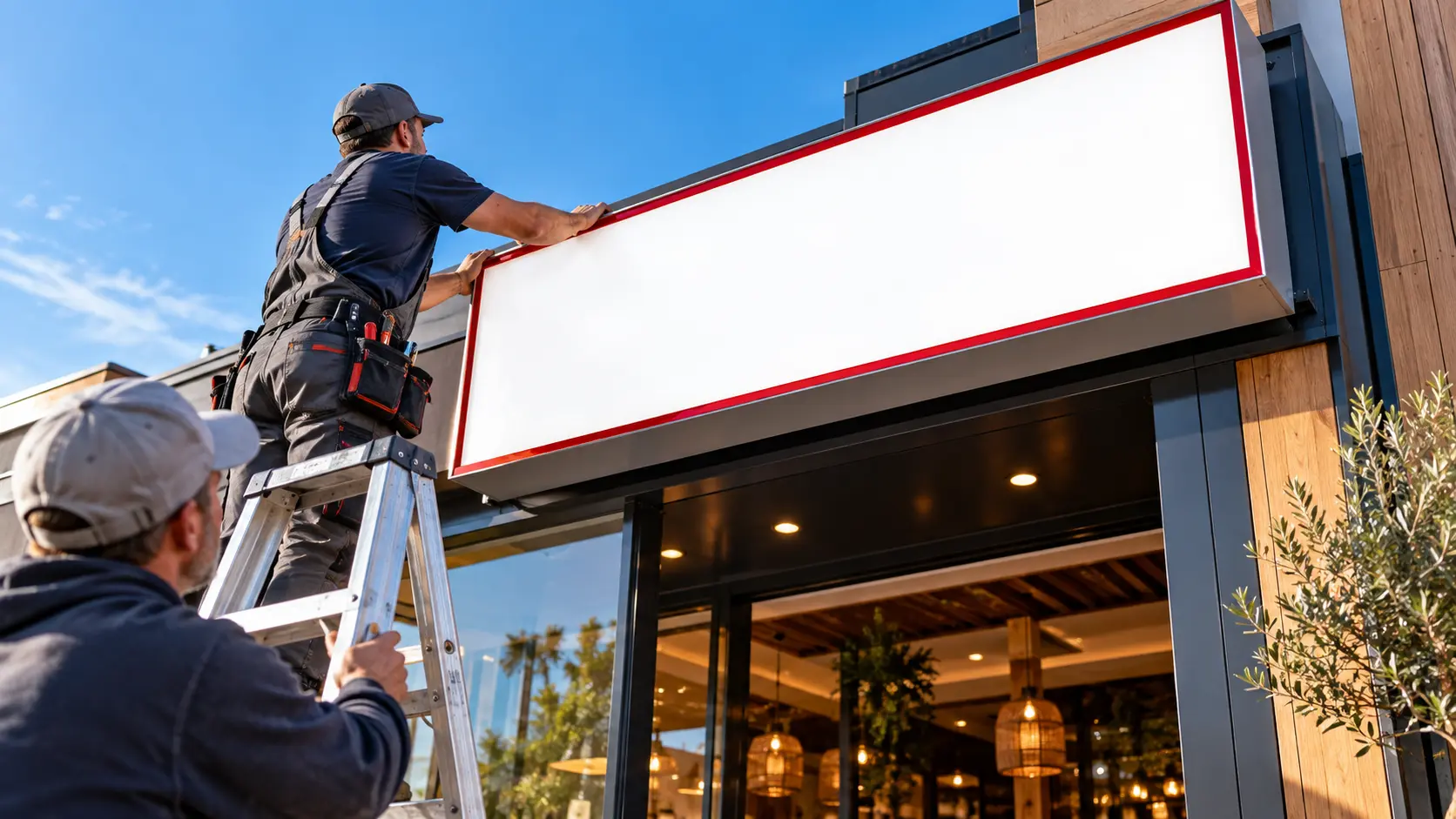
There is a moment in most franchise projects when the conversation gets uncomfortable. Someone asks whether the brand is registered, and the owner explains that they have traded under the name since 2011. It is on the signage, the vehicles and the packaging, and everyone in the area knows them.
All of that is true, and none of it means the name is legally theirs. Trading under a name builds recognition. Registration is what makes it your property, and franchising is, at its heart, licensing that property to someone else. That is why trademark registration comes before franchising.
What a franchisee is really buying
A franchise agreement grants two things: the right to use your system and the right to trade under your name. The name is usually what the franchisee is most excited about, because it brings customers in before anyone knows them personally. That makes the trade mark the central asset in the deal.
Using a name is not the same as owning it
Registering a company name does not give you trade mark rights. Neither does owning the domain. In South Africa, trade marks are registered through the Companies and Intellectual Property Commission (CIPC). Until your mark is registered, your position is much weaker if someone else uses a similar name, or registers it first.
The discovery nobody wants to make late
The worst case is not that your mark is unregistered. It is finding that someone else has registered something close to it, in a class that covers what you do.
Then your options narrow quickly. You may be able to rely on your earlier use, but that is slow, costly and uncertain. You may be able to negotiate. Or you may have to change the name, after the signage, packaging, vehicles and website, and possibly after franchisees have invested in all of it. An availability search costs a fraction of any of those outcomes. It belongs at the start of a franchise project, not halfway through.
Why it matters more for franchisors
If the marks are not registered, or are registered to the wrong entity, the whole franchise agreement rests on shaky ground. Prospective franchisees, their attorneys and their banks increasingly ask to see registration details. FASA publishes useful material on franchise agreements that shows how central the brand licence is.
What to protect
Your name. The word mark is usually the most important, and the first to secure.
Your logo. Registered separately from the name, and worth it where your visual identity carries real weight.
Key product names and slogans. If customers ask for them by name, consider protecting them.
The right classes. Trade marks are registered in classes of goods and services, and you are only protected in the classes you register. A restaurant registered only for restaurant services has no protection if someone launches retail sauces under the same name. Think about where the brand could reasonably go over the next ten years, not only what it does today. As a franchisor you are also protecting every franchisee’s right to trade under the mark, so a narrow registration is a false economy.
Store layouts and general look-and-feel are harder to protect. Secure the name properly first, rather than spreading the budget so thin that nothing is well protected.
Start trademark registration early
Registration in South Africa takes many months, and objections or oppositions can extend it. Once a mark is registered, protection generally dates back to the application date, which is another reason to file early rather than wait until everything is perfect. Ideally, start before you invest in signage, packaging and a franchise prospectus.
License it properly in the agreement
Owning the mark is only half the job. The franchise agreement must set out how franchisees may use it and how they may not: approved signage and colours, social media accounts in the brand’s name, and whether they may register domain names containing the mark (they should not). Critically, it must say what happens when the agreement ends. The franchisee stops using the mark, hands over accounts and domains, and removes the branding. Without this, a departed franchisee can keep trading under your name.
Registration is a floor, not a finish
South African trade marks must be renewed every ten years, so diarise it rather than relying on a reminder. Keep an eye on others using similar names too. A mark that is used by others without challenge for a long time becomes harder to defend.
Where it fits in the sequence
For most businesses, the order is: check availability, file the application, then get on with documentation while the registration progresses. By the time you sign your first franchisee, it is either granted or well advanced. If the name turns out not to be available, you would far rather know now, while changing it means a rebrand rather than a network-wide crisis.
A protected brand is also easier to grow. Our Trademark Registration service handles searches, applications and the choice of classes, our Brand Development work makes sure the identity is strong enough to protect, and our Franchise Agreement service ties the licence to what you have registered.